Sourcing ASTM-certified stainless steel flanges from global suppliers demands more than just price negotiations. With counterfeit certifications, inconsistent quality, and logistical risks plaguing international trade, asking the right questions upfront can save your project from delays, compliance issues, and costly rework.
Whether you’re procuring flanges for oil pipelines, chemical plants, or water treatment systems, this 2024 checklist outlines seven critical questions to vet suppliers effectively. Ensure your supply chain aligns with ASTM standards while securing competitive pricing.
Why Supplier Vetting Matters for ASTM Flanges
Stainless steel flanges underperform or fail prematurely if they don’t meet ASTM standards like A182 (forged flanges) or A105 (carbon steel flanges). Non-compliant flanges risk:
-
Safety Hazards: Leaks or ruptures in high-pressure systems.
-
Project Delays: Rejected shipments due to failed inspections.
-
Reputation Damage: Liability for substandard components in critical infrastructure.
By rigorously screening suppliers, you mitigate these risks and build a resilient supply chain.
7 Must-Ask Questions for ASTM Flange Suppliers
1. Can You Provide Valid ASTM Certification Documents?
-
Why It Matters: Fake or expired certifications are rampant in markets like Asia and the Middle East.
-
What to Verify:
-
Request ASTM certificates (e.g., A182/A182M) with unique ID numbers.
-
Cross-check certificates on the ASTM Compliance Verification Portal.
-
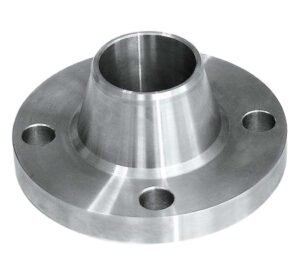
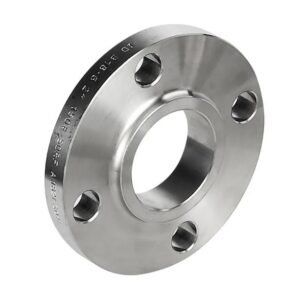
Ensure certifications cover the specific flange type (e.g., weld neck, slip-on).
-
2. How Do You Ensure Material Traceability?
-
Why It Matters: Untraceable materials increase the risk of receiving non-compliant or counterfeit steel.
-
What to Verify:
-
Demand Mill Test Certificates (MTCs) showing material grade (304/316), heat number, and chemical composition.
-
Confirm the supplier uses a batch tracking system for production runs.
-
3. What Third-Party Testing Do You Conduct?
-
Why It Matters: In-house testing alone can lack objectivity.
-
What to Verify:
-
Ask for reports from independent labs like SGS, TÜV, or Bureau Veritas covering:
-
Tensile strength and hardness (per ASTM A370).
-
Pitting corrosion resistance (per ASTM G48).
-
-
Ensure tests align with your application (e.g., high-temperature or cryogenic environments).
-
4. What Is Your Lead Time for Custom Specifications?
-
Why It Matters: Unrealistic timelines often signal stocklot reselling or rushed production.
-
What to Verify:
-
Compare lead times for standard vs. custom flanges (e.g., ANSI 150 vs. ANSI 2500 pressure ratings).
-
Ask for a production schedule breakdown to identify bottlenecks.
-
5. Can You Share References from Clients in My Industry?
-
Why It Matters: Suppliers familiar with your sector (e.g., offshore drilling) understand nuanced requirements.
-
What to Verify:
-
Request case studies or contact details of past clients.
-
Check reviews on platforms like Thomasnet or Engineering360 for red flags.
-
6. How Do You Handle Non-Conforming Products?
-
Why It Matters: Even reliable suppliers occasionally ship defects.
-
What to Verify:
-
Ensure return/refund policies are clearly stated in contracts.
-
Ask if they cover costs for replacements, shipping, or downtime.
-
7. What Export Documentation Do You Provide?
-
Why It Matters: Missing paperwork can stall customs clearance.
-
What to Verify:
-
Confirm they supply:
-
Commercial invoices with HS codes.
-
Certificates of Origin (COO).
-
Packing lists with gross/net weights.
-
-
Check if they assist with export licenses for restricted markets.
-
Red Flags to Watch For
-
Evasive Answers: Suppliers refusing to share certifications or testing reports.
-
No Warranty Coverage: Avoid vendors who won’t guarantee product performance.
-
Over-Reliance on Brokers: Direct manufacturers typically offer better traceability than trading companies.
FAQ: Sourcing ASTM Flanges in 2024
Q: How do I verify ASTM certifications for a new supplier?
A: Use ASTM’s online database or contact their compliance team via email (certification@astm.org).
Q: Are Indian or Chinese ASTM certifications reliable?
A: Yes, but always validate through third-party audits. Many Chinese suppliers hold legitimate ASTM certs, but counterfeits exist.
Q: Can I request a sample before bulk ordering?
A: Yes. Reputable suppliers often provide samples for testing, though you may pay a fee.
Q: What’s the price premium for ASTM-certified flanges?
A: Typically 10–20% higher than non-certified flanges, but this ensures compliance and reduces long-term risks.