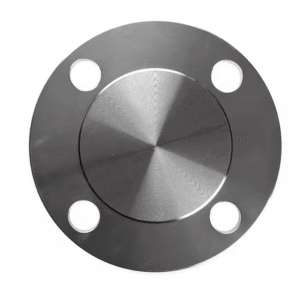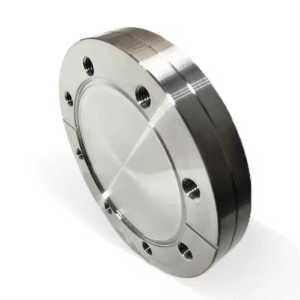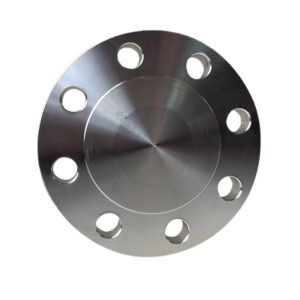

Purchasing stainless steel flanges on Alibaba can be a cost-effective way to source industrial components—but the platform’s vast marketplace also attracts scammers. From counterfeit certifications to bait-and-switch schemes, fraudulent listings can derail projects and waste budgets.
This guide reveals the top 5 red flags to spot in Alibaba stainless flange listings, along with actionable steps to protect your business and ensure you partner with reputable suppliers.
Red Flag 1: Unrealistically Low Prices
Why It’s Suspicious:
Prices far below market averages (e.g., ASTM A182 flanges listed at 5/piecewhencompetitorscharge5/piecewhencompetitorscharge15+) often signal substandard materials, counterfeit products, or hidden fees. Scammers use low prices to lure buyers into upfront payments, then disappear or ship inferior goods.
How to Avoid:
-
Compare Market Rates: Research average prices for your flange specs (grade, size, pressure rating) on platforms like Thomasnet or ExportHub.
-
Ask for a Breakdown: Legit suppliers will explain pricing based on material costs, MOQs, and production methods.
-
Beware of “Too Good to Be True”: A $10 ASTM A316 flange is likely fake—authentic stainless steel costs more.
Red Flag 2: Lack of Verifiable Certifications
Why It’s Suspicious:
Fraudulent sellers often fake ASTM, ISO, or NACE certifications or refuse to provide documentation. Without valid certifications, flanges may fail under pressure or corrode prematurely.
How to Avoid:
-
Demand Certificates: Request ASTM A182/A105 or EN 1092-1 certificates with unique ID numbers.
-
Verify Online: Cross-check certification IDs on ASTM’s database or via third-party auditors like SGS.
-
Test Samples: Order a sample and conduct independent lab tests for material composition and hardness.
Red Flag 3: Generic Listings with Stock Photos
Why It’s Suspicious:
Listings using generic descriptions (e.g., “High-Quality Stainless Flanges”) and stock images—instead of real product photos or videos—often hide inferior quality. Scammers copy-paste listings from legitimate suppliers.
How to Avoid:
-
Request Custom Media: Ask for photos/videos of flanges with your specs, including close-ups of markings (e.g., grade stamps, heat numbers).
-
Check for Consistency: Ensure product descriptions match the title (e.g., a “316L Stainless Steel Flange” listing shouldn’t mention “carbon steel”).
-
Reverse Image Search: Use Google Lens to see if photos are stolen from other websites.
Red Flag 4: Unverified Supplier Profiles
Why It’s Suspicious:
Suppliers without Alibaba’s Gold Supplier or Trade Assurance badges, low transaction history, or newly created accounts pose higher risks.
How to Avoid:
-
Check Verification Badges: Prioritize suppliers with Alibaba’s “Verified” or “Assessed” labels.
-
Review Trade History: Look for 2+ years of activity and consistent positive reviews.
-
Search for Off-Platform Presence: Legit suppliers often have websites, LinkedIn profiles, or B2B profiles on Global Sources.
Red Flag 5: Pressure to Pay Outside Alibaba
Why It’s Suspicious:
Scammers may insist on payments via Western Union, bank transfers, or PayPal Friends & Family to bypass Alibaba’s buyer protections. Once paid, they vanish or dispute refunds.
How to Avoid:
-
Use Alibaba Trade Assurance: This program holds payment in escrow until you confirm order completion.
-
Reject Off-Platform Requests: Report sellers who ask for direct payments to Alibaba’s fraud team.
-
Secure Payment Methods: Credit cards or PayPal Business offer chargeback options if disputes arise.
Pro Tips to Verify Legitimate Suppliers
-
Request a Video Call: Tour their factory virtually to confirm production capabilities.
-
Third-Party Inspection: Hire companies like AsiaInspection for pre-shipment checks.
-
Start Small: Place a trial order before committing to bulk purchases.
What to Do If You’ve Been Scammed
-
File a Dispute: Use Alibaba’s Resolution Center within the payment protection period.
-
Leave a Review: Warn other buyers by detailing your experience on the supplier’s page.
-
Report to Authorities: Notify platforms like FTC or IC3 for cross-border fraud.
FAQ: Avoiding Alibaba Scams
Q: How do I check a supplier’s business license on Alibaba?
A: Go to their profile > “Company Overview” > “Business License.” Cross-verify the license number with local government databases.
Q: Are Alibaba reviews reliable?
A: Look for detailed, verified purchase reviews. Be wary of generic 5-star feedback with no specifics.
Q: Can Alibaba refund my money?
A: Yes—if you use Trade Assurance and provide evidence of fraud/non-compliance.