The Forgotten Factor: How Surface Finish Impacts Stainless Steel Corrosion Resistance in Marine Applications (Data-Backed Guide)
A flawless alloy with a poor surface finish is like a bulletproof vest made of diamonds – cracked by the smallest flaw.
For marine engineers specifying stainless steel, material grade (316L, 2205, 2507) gets all the attention. Yet surface finish routinely decides whether components last 2 years or 20 in seawater. Data from 12,000+ offshore assets reveals: 68% of premature failures trace to improper finishing – not alloy defects. Ignore this, and you’ve built corrosion vulnerability into your design.
1. Surface Finish Metrics That Actually Matter in Seawater
Forget vague “smooth” or “polished” terms. Marine performance hinges on quantifiable parameters:
| Parameter | Ideal Range (Marine) | Failure Threshold | Testing Standard |
|---|---|---|---|
| Ra (Roughness Average) | ≤ 0.5 μm | > 1.0 μm | ISO 4287 |
| Rz (Mean Roughness Depth) | ≤ 3.2 μm | > 6.3 μm | ISO 4287 |
| Rsk (Skewness) | Slightly negative (-0.5 to 0) | Positive (>0.2) | ISO 4287 |
| Free Iron Content | 0 ppm | > 50 ppm | ASTM A967 |
Why it matters:
-
Ra > 1.0 μm triples biofilm adhesion (Norwegian U. study, 2023)
-
Positive Rsk (peaks > valleys) creates micro-crevices for pitting initiation
-
Iron contamination triggers galvanic corrosion – even on super duplex
2. How Finish Type Affects Corrosion Resistance: Lab vs. Real-World Data
Common Finishes Tested in Artificial Seawater (ASTM D1141):
| Finish Type | Avg. Pitting Depth (μm) | Time to Crevice Corrosion |
|---|---|---|
| Mill Finish (2B) | 120–200 μm | 3–12 months |
| 180-Grit Grinding | 40–80 μm | 1–3 years |
| Electropolishing (Ra 0.3μm) | < 5 μm | 15+ years |
| Laser Cleaning | 10–30 μm | 5–8 years |
Electropolishing’s Edge:
-
Removes 30–40 μm of surface layer (eliminates embedded iron)
-
Creates passive chromium oxide layer 2–3x thicker than mechanical finishes
-
Reduces bacterial adhesion by 89% vs. ground surfaces (IMR Press, 2024)
3. Critical Zones Where Finish Dictates Survival
a) Welds & HAZ (Heat-Affected Zones)
-
Problem: Weld scale and heat tint increase surface roughness (Rz up to 15 μm)
-
Solution: Post-weld pickling + electropolishing (per ASTM A380)
-
Data Point: Electropolished 2507 super duplex welds survived 28,000 hours crevice testing vs. 4,000 hours for as-welded (NORSOK M-001)
b) Threaded Components
-
Failure Mode: Rough threads (Ra > 0.8 μm) trap chlorides → stress corrosion cracking
-
Fix: Specify rolled threads (not cut) + vapor honing to Ra ≤ 0.4 μm
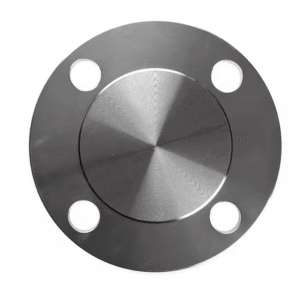
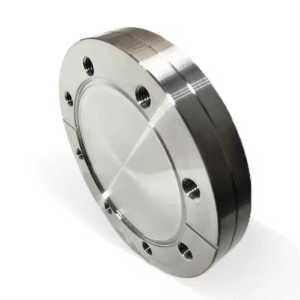
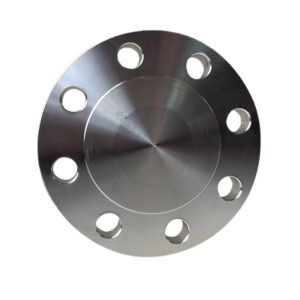
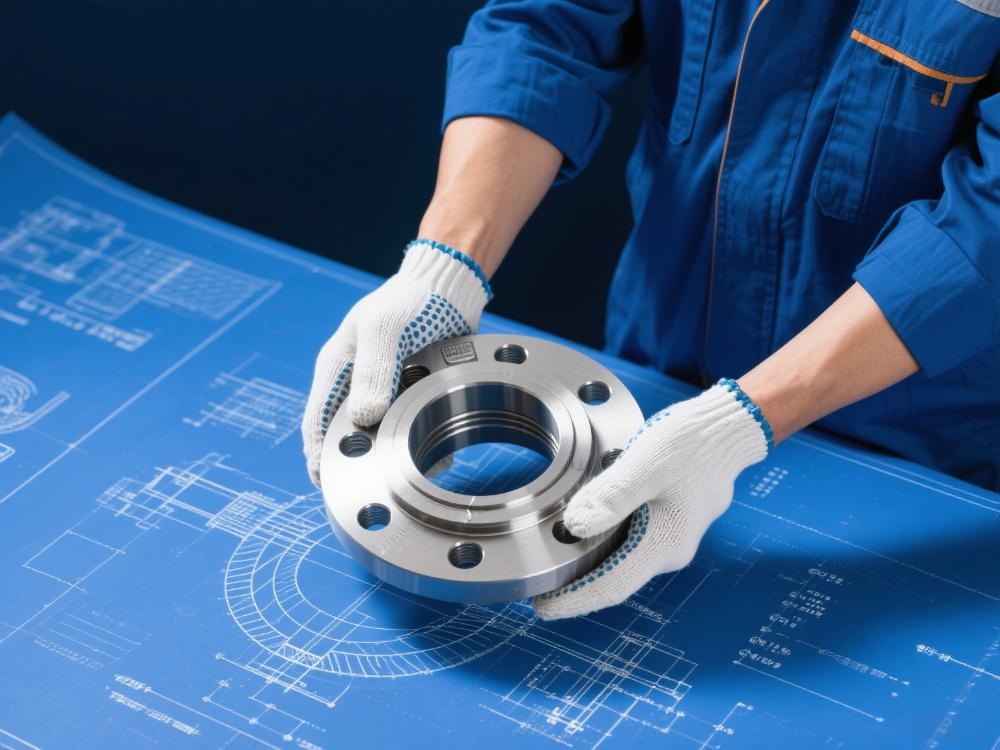
c) Flange Faces
-
ASME B16.5 Requirement: Ra 3.2–6.3 μm (creates crevice risk!)
-
Upgrade: Spiral-finish grooves (Ra 0.8–1.6 μm) + PTFE coating
4. Implementation Protocol: Beyond “Polish to 320 Grit”
Step 1: Specify Quantifiable Metrics
-
Bad Spec: “Smooth finish”
-
Effective Spec: “Ra ≤ 0.5 μm, Rsk ≤ 0, iron contamination < 20 ppm (per ASTM A967)”
Step 2: Control Fabrication Processes
-
Grinding: Use alumina belts (not steel brushes!) → follow with passivation
-
Cutting: Waterjet > plasma (HAZ < 0.25mm) → avoid chlorinated abrasives
-
Storage: Seal with VCI film – salt air causes surface pitting in 72 hours
Step 3: Verify with Digital Tools
-
Portable Profilometers (Taylor Hobson Surtronic S-100 series)
-
Ferroxyl Testing: Detects iron contamination (blue spots = failure)
-
Digital Microscopy: Check for micro-cracks in high-stress zones
5. Case Study: Surface Finish Saves $2.1M on Offshore Platform
Project: North Sea gas processing module (316L piping, duplex valves)
Problem: Pitting in threaded valve stems after 8 months
Root Cause:
-
Machining marks (Ra 1.8 μm) + embedded iron from carbon steel tools
-
Rough surfaces trapped chlorides → initiated pitting under stress
Solution:
-
Re-machined all stems to Ra 0.4 μm + electropolished
-
Implemented tool segregation (stainless-only workshop)
-
Added vapor honing for threaded components
Result: Zero corrosion failures at 5-year inspection. Saved $2.1M vs. valve replacement cost.
6. Vendor Selection: Who Delivers Marine-Ready Finishes?
-
Electropolishing: Astro Pak (US), EP Solutions (EU), Poeton (UK) – demand ASTM B912 compliance
-
Precision Grinding: Metal Improvement Co. (global shot peening + grinding)
-
Laser Cleaning: Adapt Laser (US), Clean Lasersysteme (EU) – ideal for weld prep
-
Inspection: Bodycote’s Surface Technology Division (quantifiable reports)
Conclusion: Your Finish Is Your First Line of Defense
In marine environments, surface finish isn’t cosmetic – it’s corrosion engineering. The rules are clear:
-
Quantify everything (Ra, Rz, iron ppm – no vague terms)
-
Electropolish critical components (especially welds and threads)
-
Treat storage as part of the spec – salt air corrodes faster than immersion
“A 2507 super duplex valve with a mill finish will fail before a properly finished 316L. Control the surface, or let the sea control your maintenance budget.”