Overcoming Galvanic Corrosion in Bimetal Clad Piping Systems
Practical strategies for managing electrochemical challenges in composite piping systems
Bimetal clad piping systems offer an excellent balance of performance and economics by combining the corrosion resistance of expensive alloys with the structural strength and cost-effectiveness of carbon steel. However, the very nature of joining dissimilar metals creates inherent galvanic corrosion risks that must be carefully managed. Based on experience with offshore platforms, chemical plants, and refineries, I’ve compiled proven strategies to identify, prevent, and mitigate galvanic corrosion in these complex systems.
Galvanic corrosion occurs when two dissimilar metals are electrically connected in an electrolyte, creating a galvanic cell where the less noble metal (anode) corrodes preferentially to protect the more noble metal (cathode). In bimetal systems, this phenomenon can manifest at connections, damaged areas, and exposed edges with potentially severe consequences.
Understanding the Galvanic Corrosion Mechanism in Clad Systems
The Electrochemical Basis
Essential Elements for Galvanic Corrosion:
-
Anode: Less noble metal that corrodes (e.g., carbon steel backing)
-
Cathode: More noble metal that’s protected (e.g., stainless steel cladding)
-
Electrolyte: Conductive solution (e.g., water, chemical solutions)
-
Electrical Connection: Direct metallic contact between the metals
Key Factors Influencing Corrosion Rate:
-
Potential difference between the metals in the specific environment
-
Surface area ratio of cathode to anode
-
Electrical resistivity of the electrolyte
-
Polarization characteristics of the metals
-
Environmental conditions (temperature, pH, oxygen content)
Common Bimetal Combinations and Their Risks
High-Risk Combinations:
-
Carbon steel + Stainless steel (common in oil & gas)
-
Carbon steel + Nickel alloys (chemical processing)
-
Carbon steel + Titanium (offshore, chemical)
-
Stainless steel + Copper alloys (heat exchangers)
Moderate-Risk Combinations:
-
Different stainless steel grades (e.g., 316L cladding on 2205 backing)
-
Nickel alloys with stainless steel
Design Strategies for Galvanic Corrosion Prevention
Material Selection Philosophy
Controlling the Area Ratio:
-
Avoid small anode/large cathode configurations (e.g., small carbon steel fitting connected to large stainless clad pipe)
-
Design for large anode/small cathode where contact is unavoidable
-
Consider transition joints when connecting significantly different materials
Compatible Material Pairing:
-
Select metals close in the galvanic series for the specific environment
-
Refer to actual galvanic series in seawater rather than theoretical tables
-
Consider zinc or aluminum alloys as sacrificial elements in the system
Connection Design Best Practices
Isolation Techniques:
-
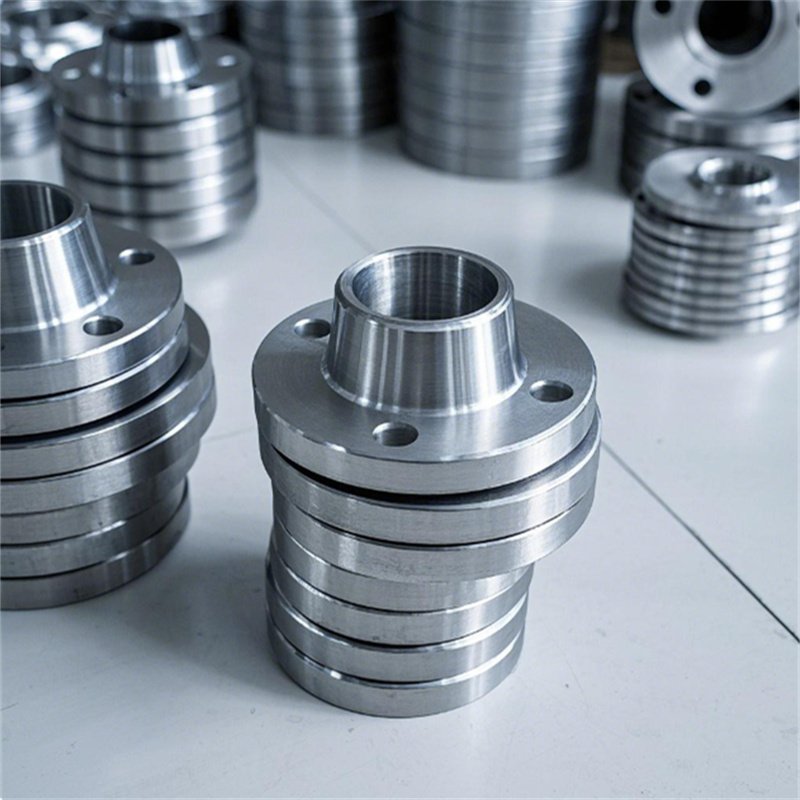
Non-metallic gaskets (PTFE, rubber, non-asbestos) in flanged connections
-
Insulating kits with sleeves and washers for bolted connections
-
Plastic-lined pipes or non-metallic spools between dissimilar sections
-
Dielectric unions specifically designed for corrosive services
Geometric Considerations:
-
Avoid crevice geometries that trap electrolytes
-
Design for drainage to prevent electrolyte accumulation
-
Orientation optimization to minimize contact with electrolytes
Fabrication and Installation Controls
Weld Overlay and Transition Joints
Butter Welding Techniques:
-
Apply corrosion-resistant weld overlay on carbon steel surfaces before joining
-
Use nickel-based buttering layers (e.g., NiCrMo-3) for stainless-to-carbon transitions
-
Ensure complete coverage without discontinuities
Transition Joints Implementation:
-
Use explosion-bonded transition fittings for critical connections
-
Specify length sufficient to move galvanic effects away from critical areas
-
Pressure test transition joints to verify integrity
Edge Protection and Termination Details
Clad Layer Termination Strategies:
-
Recessed cladding with weld overlay protection at ends
-
“J” preparation with weld metal covering the clad edge
-
Internal bore protection using compatible weld consumables
Weld Design for Corrosion Protection:
-
Full penetration welds without root gaps that create crevices
-
Smooth internal profiles to prevent turbulence and crevice corrosion
-
Compatible filler metals that are cathodic to both base metals
Protective Coating and Lining Systems
External Coating Strategies
Barrier Coating Systems:
-
High-performance epoxies or polyurethanes for atmospheric service
-
Fusion-bonded epoxy (FBE) for buried or submerged applications
-
Thermal spray aluminum (TSA) for high-temperature services
Application Best Practices:
-
Proper surface preparation (SA 2.5 or better)
-
Holiday detection at appropriate voltages
-
Edge retention optimization for sharp edges
-
Compatibility verification with both metals
Internal Protection Methods
Lining Systems:
-
Thin-film linings (e.g., baked phenolics, epoxies) for chemical protection
-
Sheet linings (e.g., PTFE, PP, PVDF) for aggressive services
-
Cement linings for abrasion and corrosion protection
Critical Application Areas:
-
Flange faces and bolting areas
-
Weld joints and heat-affected zones
-
Nozzles and branch connections
-
Areas prone to erosion or turbulence
Cathodic Protection Integration
Sacrificial Anode Systems
Design Considerations:
-
Anode material selection based on environment (zinc for seawater, magnesium for soil)
-
Proper current distribution to protect all anodic areas
-
Monitoring and replacement planning for consumed anodes
Installation Guidelines:
-
Electrical isolation of protected system from other structures
-
Even distribution of anodes along the pipeline
-
Avoid over-protection which can damage coatings or cause hydrogen embrittlement
Impressed Current Systems
Application Scenarios:
-
Long pipelines where sacrificial anodes are impractical
-
High-resistivity environments where sacrificial anodes are inefficient
-
Systems requiring higher current densities
Design Elements:
-
Anode beds properly positioned and isolated
-
Rectifier capacity with appropriate safety margins
-
Reference electrodes for potential monitoring
-
Automatic potential control systems
Operational and Maintenance Strategies
Process Chemistry Control
Electrolyte Modification:
-
Oxygen scavenging to reduce cathodic reaction rate
-
pH control to minimize corrosion rates
-
Corrosion inhibitor addition where compatible with process
Operating Practices:
-
Avoid stagnant conditions that allow electrolyte concentration
-
Control temperature within design limits
-
Prevent contamination that changes electrolyte conductivity
Inspection and Monitoring Programs
Non-Destructive Testing Methods:
-
Ultrasonic thickness testing at high-risk areas
-
Eddy current testing for clad layer integrity
-
Radiographic testing for weld and connection areas
Corrosion Monitoring Techniques:
-
Galvanic probes to measure actual corrosion currents
-
Electrical resistance probes for corrosion rate measurement
-
Coupon exposure programs for periodic evaluation
Troubleshooting Common Galvanic Corrosion Problems
Problem: Rapid Corrosion at Flanged Connections
Symptoms:
-
Localized corrosion on less noble flange face
-
Bolt corrosion and seizure
-
Leakage at gasket interfaces
Solutions:
-
Install full-face insulating gaskets
-
Use insulating sleeves and washers on bolts
-
Apply protective coatings on flange faces and bolts
-
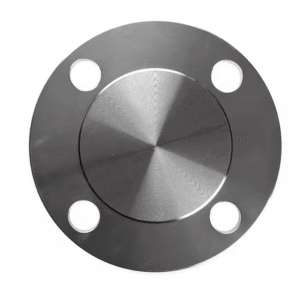
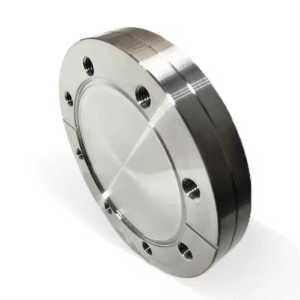
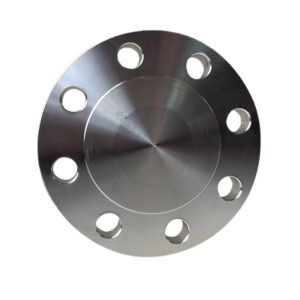
Consider non-metallic blind flanges in critical locations
Problem: Weld Zone Corrosion
Symptoms:
-
Heat-affected zone corrosion
-
Preferential attack along weld boundaries
-
Under-clad cracking
Solutions:
-
Implement butter welding with compatible alloys
-
Use post-weld heat treatment where appropriate
-
Apply weld overlays with more noble materials
-
Consider laser cladding for precise deposition
Problem: Terminal Point Corrosion
Symptoms:
-
Edge corrosion at clad layer termination
-
Crevice corrosion under loose cladding
-
Junction point pitting
**Solutions:
-
Redesign with extended weld overlays
-
Apply seal welds at termination points
-
Use compatible weld metals for edge protection
-
Implement protective coatings with excellent edge retention
Economic Considerations and Lifecycle Analysis
Cost-Benefit Analysis Framework
Initial Cost Elements:
-
Premium for clad materials versus solid alloys
-
Special fabrication requirements
-
Protective systems installation
-
Inspection and quality control
Lifecycle Cost Benefits:
-
Extended service life
-
Reduced maintenance and replacement
-
Lower risk of unplanned shutdowns
-
Improved safety and environmental compliance
Decision Support Methodology
Quantitative Assessment Tools:
-
Galvanic corrosion prediction software
-
Lifecycle cost modeling
-
Risk-based inspection planning
-
Failure mode and effects analysis
Emerging Technologies and Future Trends
Advanced Materials Development
New Cladding Technologies:
-
Laser-assisted cladding for improved bond quality
-
Additive manufacturing for complex transition components
-
Nanostructured coatings for enhanced barrier protection
Monitoring Innovations:
-
Wireless corrosion sensors for real-time monitoring
-
Digital twin technology for predictive maintenance
-
AI-based corrosion prediction from operational data
Implementation Checklist
For new bimetal clad piping systems, verify:
-
Material compatibility analysis completed for all connected materials
-
Area ratio considerations incorporated in design
-
Isolation methods specified for all dissimilar metal connections
-
Protective coating systems selected for specific environments
-
Cathodic protection requirements evaluated and implemented
-
Fabrication procedures address galvanic corrosion prevention
-
Inspection and monitoring plans established
-
Operating procedures include galvanic corrosion controls
-
Maintenance plans address protective system upkeep
-
Personnel training completed on galvanic corrosion recognition and prevention
Conclusion
Successfully overcoming galvanic corrosion in bimetal clad piping systems requires a comprehensive, multi-faceted approach spanning design, fabrication, operation, and maintenance. The most effective strategies combine:
-
Thoughtful material selection and connection design
-
Robust fabrication practices with proper transition details
-
Integrated protection systems including coatings and cathodic protection
-
Proactive operational management and monitoring
-
Continuous improvement through inspection and maintenance
The complexity of bimetal systems demands early consideration of galvanic corrosion risks in the design phase, where prevention is most cost-effective. As one experienced corrosion engineer noted: “Galvanic corrosion in clad systems isn’t a matter of if it will occur, but where and how severe. Our job is to ensure it happens on our terms—in controlled, predictable locations at manageable rates.”
By implementing these strategies, engineers can harness the economic and performance benefits of bimetal clad piping while effectively managing the inherent galvanic corrosion risks, resulting in reliable, long-lasting piping systems that deliver optimal lifecycle value.