
Short Answer
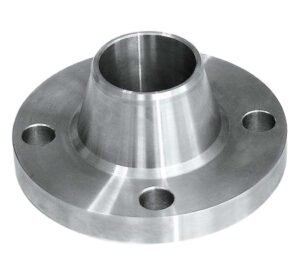
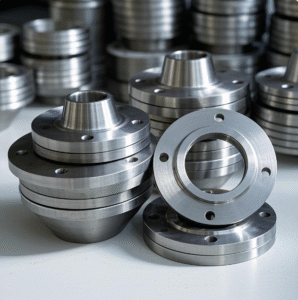
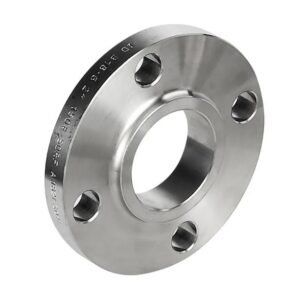
Yes, Super Duplex Stainless Steel (e.g., UNS S32750 / S32760) is often an excellent choice for subsea pipeline fittings, particularly in demanding environments. It is a premium material selected when its superior strength and corrosion resistance justify its higher initial cost compared to alternatives like 22% Cr Duplex or corrosion-resistant alloys (CRA clad). However, its suitability is not automatic and hinges on specific project conditions and strict control during fabrication.
Why Super Duplex is a Strong Candidate for Subsea
-
Exceptional Corrosion Resistance:
-
Chloride Resistance: SDSS has an extremely high Pitting Resistance Equivalent Number (PREN > 40), making it highly resistant to pitting and crevice corrosion in chloride-rich seawater, even at elevated temperatures.
-
CO₂ & H₂S Resistance: It performs very well in environments containing carbon dioxide (CO₂) and moderate levels of hydrogen sulfide (H₂S), common in oil and gas production.
-
General Seawater Resistance: It is immune to marine fouling and microbiologically influenced corrosion (MIC) to a much greater degree than carbon steel.
-
-
High Mechanical Strength:
-
SDSS has roughly double the yield strength of standard austenitic stainless steels (e.g., 316L) and nickel alloys (e.g., 825).
-
This allows for thinner wall thicknesses in fittings and pipes, leading to weight savings. This is a major advantage for subsea projects where weight impacts installation costs, buoyancy, and stability.
-
-
Erosion Resistance:
-
The high strength and hardness of SDSS provide good resistance to erosion from sand and solid particles often present in produced fluids.
-
-
Lifecycle Cost Effectiveness:
-
While the upfront material cost is high, SDSS often provides the best Total Cost of Ownership (TCO) for critical subsea infrastructure. It eliminates the need for chemical inhibition systems, reduces inspection and maintenance costs, and is designed for the entire lifecycle of the field (25+ years) without replacement.
-
Critical Challenges and Considerations (The “Ifs and Buts”)
Despite its advantages, SDSS comes with stringent requirements that can become project risks if not managed properly.
-
Fabrication and Welding Complexity:
-
This is the single biggest risk. SDSS is not as forgiving as carbon steel.
-
Heat Input Control: Strict control of heat input during welding is essential. Too much heat can precipitate intermetallic phases (e.g., sigma phase), which embrittle the weld and destroy corrosion resistance.
-
Interpass Temperature: Must be rigorously controlled (typically kept below 100°C / 212°F).
-
Filler Metal: Must use matching over-alloyed filler metals (e.g., ER2594 for S32750) to maintain the corrosion resistance of the weld metal.
-
Qualified Procedures & Personnel: Fabrication must be done to the highest standards, following qualified welding procedure specifications (WPS) by certified welders with experience in SDSS.
-
-
Hydrogen-Induced Stress Cracking (HISC):
-
A major failure mode for duplex and super duplex alloys in subsea applications. Cathodic protection (CP) systems, which are mandatory for subsea structures, generate hydrogen atoms at the metal’s surface.
-
Under the influence of residual or applied stress, this hydrogen can diffuse into the high-strength SDSS and cause brittle cracking.
-
Mitigation is absolutely critical: This involves:
-
Design: Limiting applied and residual stresses (staying below a safe threshold of the actual yield strength).
-
Material: Specifying a maximum hardness in the heat-affected zone (HAZ).
-
Fabrication: Implementing strict PWHT and quality control processes to reduce residual stresses.
-
-
-
Cost:
-
SDSS fittings are significantly more expensive than standard stainless or carbon steel options. The justification must be based on the corrosiveness of the transported fluid (“process chemistry”) and the required service life.
-
-
Availability and Lead Times:
-
Large, complex SDSS fittings (e.g., manifolds, tees) may have long lead times and require sourcing from specialized forging houses with proven subsea experience.
-
Decision-Making Framework: Is SDSS Right for YOUR Project?
Answer these questions to guide your selection:
| Question | If “Yes” → SDSS is Suitable | If “No” → Consider Alternatives |
|---|---|---|
| 1. What is the process fluid? | High Chlorides, CO₂, moderate H₂S. | Sweet (CO₂-only) or low-chloride service. |
| 2. What is the water depth? | Deepwater. (Weight savings are crucial). | Shallow water. (Weight is less of a factor). |
| 3. What is the design life? | Long (>15-25 years), no planned intervention. | Short life or easy-to-access/repair lines. |
| 4. Is your fabricator qualified? | They have a proven track record with SDSS and subsea qualifications (e.g., NORSOK, DNV). | They are a general-purpose shop without specific SDSS experience. (This is a showstopper). |
| 5. Is HISC mitigation a core part of your design? | HISC is understood, and design stresses are kept within safe limits. | The project has not allocated resources for advanced HISC analysis. |
Conclusion and Recommendation
Super Duplex Stainless Steel fittings are a technically superior and often economically sound choice for subsea pipeline projects that demand:
-
Long-term reliability in corrosive environments.
-
Weight reduction for deepwater installation.
-
Minimal lifecycle intervention.
However, selecting SDSS is a commitment to excellence in engineering, fabrication, and quality control. The success of the component is entirely dependent on mitigating the risks associated with welding and Hydrogen-Induced Stress Cracking (HISC).
Final Verdict:
-
For a demanding, deepwater, long-life project with a qualified fabricator and a rigorous engineering team: SDSS is an excellent choice and likely the industry-standard solution.
-
For less corrosive services, shallow water, or if high-level fabrication expertise cannot be guaranteed: Consider alternatives like 22% Cr Duplex (lower cost, more forgiving) or carbon steel with a corrosion inhibition system (lower upfront cost, higher operational complexity).