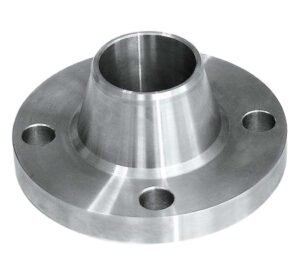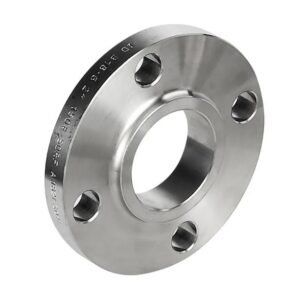
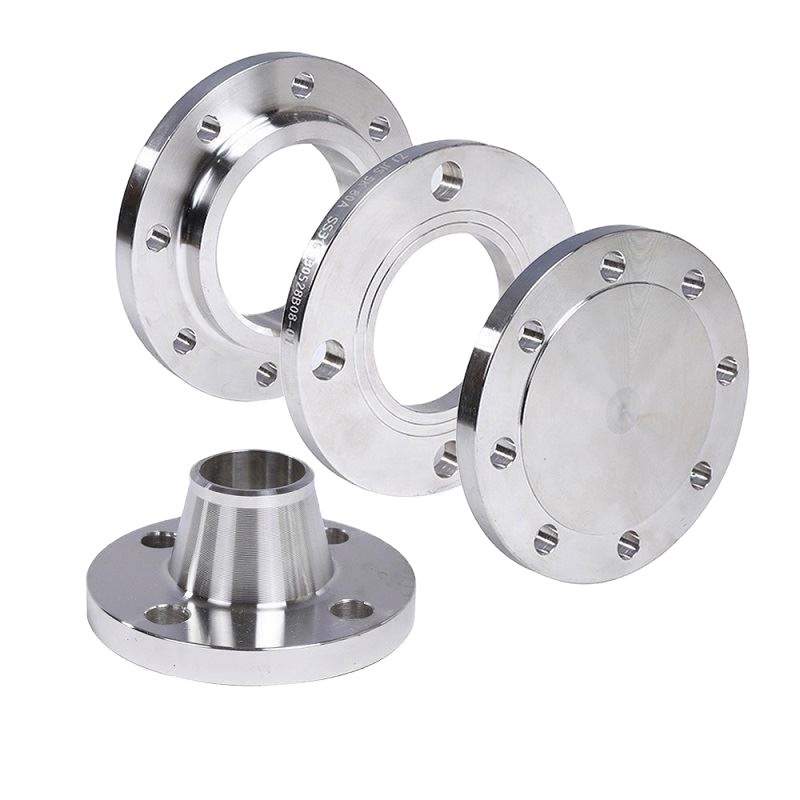
For engineers and asset managers, specifying stainless steel in chloride-rich environments isn’t a theoretical exercise—it’s a high-stakes financial decision. A single pitting failure in a seawater cooling line, subsea valve, or offshore platform component can trigger six-figure repair bills, unplanned downtime, and environmental liabilities. This guide cuts through marketing hype, providing actionable data to match alloy performance with real-world chloride aggression.
1. Chloride Attack: Understanding the Enemy
Chlorides don’t corrode steel uniformly; they initiate localized attacks that bypass passive layers:
-
Pitting Corrosion: Chlorides penetrate weak spots in the oxide layer, creating deep, penetrating pits. Critical Factor: Temperature >50°C accelerates pit growth exponentially.
-
Crevice Corrosion: Stagnant zones under gaskets, bolts, or deposits become acidic chloride traps. Critical Factor: Tight crevices (<0.1mm gap) are highest risk.
-
Stress Corrosion Cracking (SCC): Combined tensile stress + chlorides + temperature causes catastrophic brittle fractures. Critical Factor: Threshold temperatures: 316L fails at ~60°C in seawater; duplex resists >80°C.
The Metric That Matters: PREN (Pitting Resistance Equivalent Number)
PREN = %Cr + 3.3x %Mo + 16x %N. Higher PREN = better chloride resistance.
| Alloy | Typical PREN | Chloride Threshold Temp (°C) | Crevice Corrosion Risk |
|---|---|---|---|
| 316L | 24-28 | <25 (Stagnant Seawater) | Very High |
| 904L | 33-37 | ~35 | High |
| Duplex 2205 | 34-39 | ~40 | Moderate |
| Super Duplex 2507 | 42-45 | >60 | Low |
| 6% Mo (254 SMO) | 43-48 | >65 | Very Low |
2. Alloy Selection Matrix: Matching Grade to Application Severity
A. Low-Moderate Risk: Flowing Seawater (<25°C), Splash Zones, Coastal Atmospheres
-
Recommended: 316L (1.4404/316L)
-
Why: Cost-effective for pumps, valve bodies, handrails where chlorides are diluted or washed away. Limit: Avoid stagnant water, temperatures >40°C, or tight crevices.
-
Case Win: Coastal wastewater treatment plant piping (tidal flow, ambient temp) – 15+ years service with scheduled jet washing.
B. High Risk: Stagnant Seawater, Warm Brines (>30°C), Subsea Components
-
Recommended: Duplex 2205 (1.4462/S32205)
-
Why: PREN >35, double the yield strength of 316L (~550 MPa), SCC resistance. Ideal for heat exchanger tubes, seawater lift pumps, flanges.
-
Case Win: Desalination plant brine heater tubes (70°C, high chloride) – Replaced 316L failures with 2205, eliminating unplanned shutdowns.
C. Extreme Risk: Hot Concentrated Brines, H₂S/CO₂ Presence, Deep Offshore
-
Recommended: Super Duplex 2507 (1.4410/S32750) or 6% Mo Austenitic (1.4547/254 SMO)
-
Why: PREN >42, exceptional resistance to pitting/SCC in sour service. Essential for downhole tubing, subsea manifolds, seawater injection systems.
-
Case Win: Offshore gas platform seawater injection pipework (chlorides + trace H₂S) – 2507 reduced life-cycle costs by 40% vs. clad carbon steel.
3. Hidden Failure Points: Beyond Base Material
Fabrication Matters More Than Chemistry:
-
Welding: Poor procedures on duplex can destroy corrosion resistance.
-
Must: Use qualified WPS, control interpass temp (<150°C for 2507), purge backing gas.
-
Never: Skip post-weld pickling/passivation.
-
-
Crevice Design: Eliminate stagnant zones. Use non-absorbent PTFE/GRAFOIL gaskets, avoid lap joints in tanks.
-
Galvanic Corrosion: Insulate stainless from carbon steel/copper alloys. Never bolt 316L directly to monel in seawater.
4. Total Cost of Ownership (TCO): Justifying the Premium
Example: Seawater Cooling Pipework (20-year lifecycle)
| Cost Factor | 316L | Duplex 2205 | Super Duplex 2507 |
|---|---|---|---|
| Material Cost (per ton) | $3,500 | $5,200 (+49%) | $8,000 (+129%) |
| Wall Thickness (mm) | 8.0 | 5.0 (-37.5%) | 4.0 (-50%) |
| Fabrication Time | 100% | 85% (thinner walls) | 80% |
| Maintenance (10 years) | $120,000 (Chemical inhibitors, patch repairs) |
$45,000 (Localized repairs) |
< $10,000 (Visual inspection only) |
| Replacement Risk | High (Likely full replacement at 10-15 yrs) |
Low | Very Low |
| Total Projected Cost | $450,000 | $320,000 | $290,000 |
*Result: Despite higher upfront cost, duplex grades deliver 28-36% lifecycle savings in aggressive seawater.*
5. Procurement Action Plan
-
Define Environment: Test water chemistry (Cl⁻ ppm, pH, H₂S, temp profiles).
-
Audit Fabricators: Require documented welding procedure qualifications (WPQR) for your chosen alloy.
-
Specify Testing: Mandate pitting/crevice corrosion tests per ASTM G48 Method A & D for critical parts.
-
Plan for Integrity: Budget for regular thermographic inspections of insulated components (CUI risk).
Conclusion: Pay for Performance, Not Promises
In chloride exposure, failure costs dwarf material savings. While 316L suffices for benign conditions, demanding seawater applications demand alloys engineered for the attack:
-
Flowing seawater <30°C: 316L (with rigorous maintenance)
-
Stagnant/warm seawater, brines: Duplex 2205
-
Hot brines, sour service, subsea: Super Duplex 2507 or 6% Mo
Investing in the right stainless steel upfront isn’t an expense—it’s insurance against catastrophic downtime, environmental incidents, and reputational damage. Specify based on data, fabricate with precision, and operate with confidence.