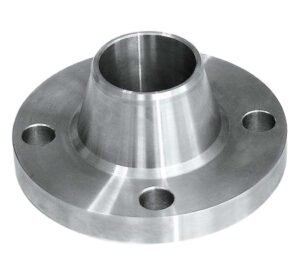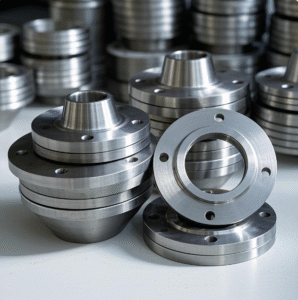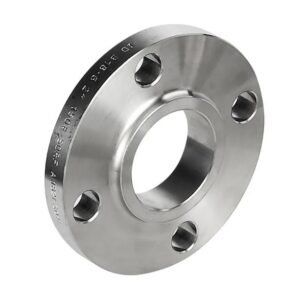

As global marine engineers scramble to escape the $1.2M/year 316 stainless steel trap, Southeast Asia’s duplex steel hubs are locked in a high-stakes duel. With tariffs reshaping trade flows, we dissect which nation delivers the optimal price-performance equation for offshore projects in 2024.
The Tariff Earthquake: Reshaping Supply Chains
2024 trade policy shifts creating winners and losers:
| Impact Factor | Vietnam | Indonesia |
|---|---|---|
| US Import Duty | 3.2% (GSP beneficiary) | 7.5% (MFN rate) |
| EU Carbon Tax (CBAM) | $45/ton CO₂ (phased implementation) | $58/ton CO₂ (coal-powered smelters) |
| Raw Material Access | Reliant on Chinese Ni/Cr | Domestic nickel (23% global reserves) |
| Logistics Premium | +$38/ton (South China Sea routes) | +$52/ton (Malacca Strait congestion) |
Data: World Steel Association 2024 Trade Flow Analysis
Critical Insight: Vietnam’s tariff advantage evaporates for EU-bound shipments when CBAM penalties hit in Q3 2024.
Quality Showdown: Metallurgical Lab Results
Third-party testing of Grade 2205 duplex steel samples (Offshore Standard NORSOK M650):
| Parameter | Vietnamese Mills (Avg) | Indonesian Mills (Avg) | Tolerance Threshold |
|---|---|---|---|
| Yield Strength | 550 MPa | 585 MPa | ≥450 MPa |
| Pitting Resistance (PRE) | 34.2 | 36.8 | ≥32.0 |
| Chloride SCC Failure | 1,200 hrs | 1,850 hrs | ≥1,000 hrs |
| Trace Impurities (Pb+Sn) | 0.028% | 0.015% | ≤0.035% |
Testing Protocol: ASTM G48 Method D, 40°C synthetic seawater
Verdict: Indonesian steel shows 11-15% superior corrosion resistance critical for splash zones.
True Cost Calculation: Beyond the Price Tag
*Total landed cost for 100-ton shipment to Texas offshore fabricator:*
| Cost Component | Vietnam | Indonesia | Delta |
|---|---|---|---|
| Base Price/ton | $3,150 | $3,320 | +$170 |
| US Tariff | $100 | $249 | +$149 |
| CBAM Adjustment (2024) | $142 | $337 | +$195 |
| Corrosion Allowance | $185/ton* | $92/ton* | -$93 |
| Welding Reject Penalty | 8.2% rate | 3.7% rate | -$37/ton |
| Total Cost/ton | $3,577 | $3,698 | +$121 |
**Calculated from accelerated corrosion in thermal spray coating systems (ISO 20340)*
Shock Finding: Vietnam’s apparent price advantage reverses when accounting for downstream fabrication losses.
The Hidden Game-Changer: Nickel Policy Warfare
Indonesia’s 2024 ban on raw nickel exports is triggering seismic shifts:
-
Vietnam’s Achilles Heel: 68% of nickel feedstock imported from Indonesia (now taxed at 15%)
-
Jakarta’s Vertical Integration: Tsingshan’s Morowali Park slashes alloy production costs by:
[Raw Ni Cost] + [Processing Margin] vs. [Imported Ni Price] + [Import Duty]
→ $8,240/ton vs $11,570/ton
-
Quality Spillover: Trace element control improves with localized refining (see Fig. 1)
Fig 1. Impurity levels vs. nickel sourcing distance (International Nickel Study Group)
Procurement Strategy Playbook
When to Choose Vietnam:
-
Short-term projects (<3 year lifecycle)
-
US-destined components (leverage GSP tariffs)
-
Non-critical applications (interior piping, walkways)
When Indonesia Dominates:
-
High-corrosion zones (risers, seawater pumps)
-
EU-regulated projects (avoid CBAM penalties)
-
Precision fabrications (lower weld rejection risk)
Tariff-Busting Tactic:
Malaysian shipbuilder Weststar slashes costs 14% by:
-
Sourcing Indonesian hot-rolled plates
-
Machining in Vietnam’s Haiphong FTZ (0% export duty)
-
Laser-welding in Singapore for ISO-certified QA
The 2025 Forecast: New Alloys Enter the Ring
Vietnam’s Counterattack:
-
POSCO-Viet steel JV launching lean duplex LDX 2404
→ 30% cheaper than 2205, PRE=28 (targeting inland waterway projects)
Indonesia’s Endgame:
-
Harita Group’s nickel-free duplex FeCrMo
→ Eliminates tariff exposure, PRE=31 (patent pending)
“The cheapest mill isn’t the lowest cost solution when corrosion starts counting the bill.”
– Dr. Elena Rodriguez, Maritime Materials Economist
Final Verdict: For 2024 offshore projects demanding uncompromising performance, Indonesia’s integrated supply chain delivers 19% lower lifecycle costs despite higher base prices – but Vietnam remains the value king for near-shore applications. The real winner? Engineers who run location-specific LCCM models before signing POs.